Grade U
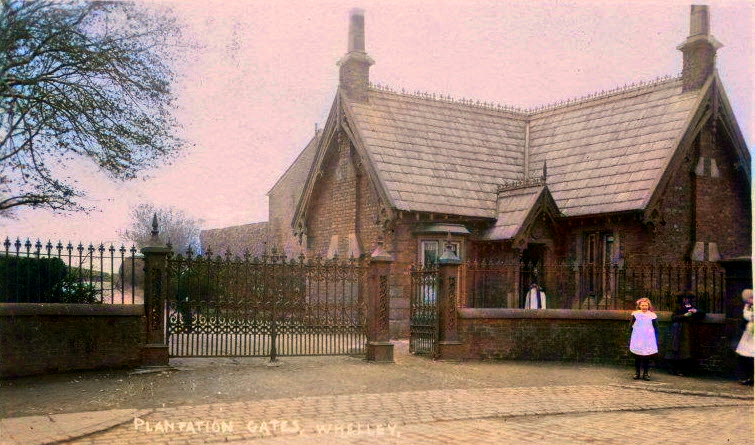
Plantation Gates
Whelley, Wigan, WN1 3UP, Wigan
Listed Date: 00/00/0000
Part of Group:
At Risk: No
Part of Group:
At Risk: No
Description
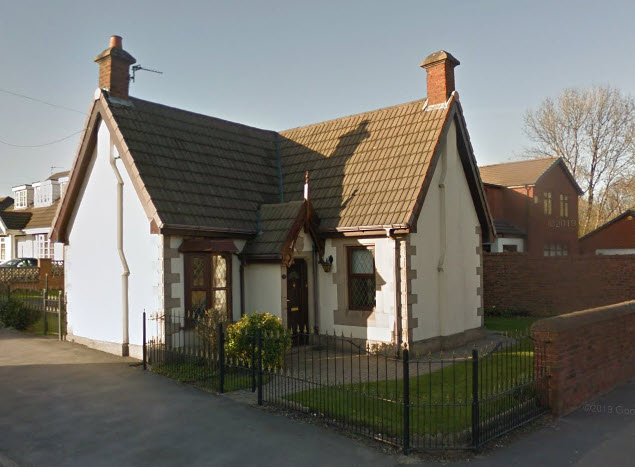
PLANTATION GATES, WHELLEY
On June 4th, 1873, the Wigan Infirmary was opened by the Prince and Princess of Wales. They were guests of the Earl of Crawford & Balcarres at Haigh Hall.
Discussions for the new infirmary commenced in 1866 to replace the Dispensary in King Street. Once the funding for the Infirmary was in place, the attention turned to who would officially open the building. In the late 1860’s it was the intention to invite the Prince of Wales.
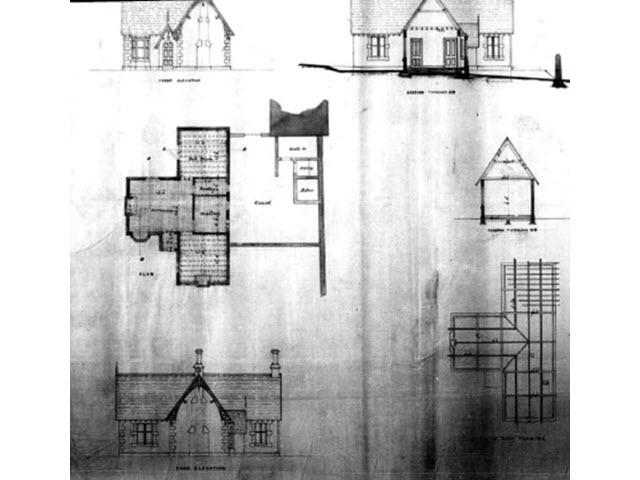
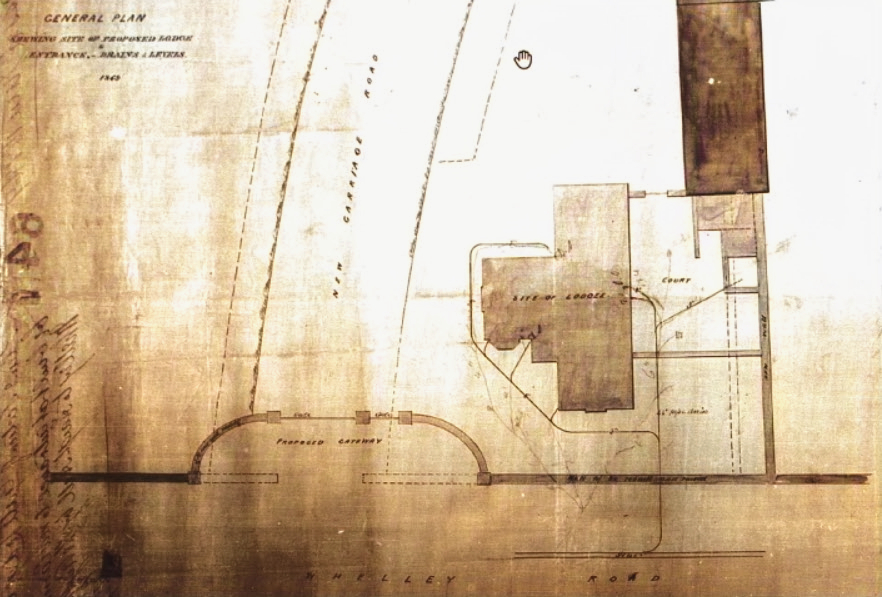
It is worth contemplating whether the Earl of Crawford designed and built a new road to the Hall and a Lodge from Whelley to co-incide with the visit by the Royals, as plans were drawn up in 1869.
It’s wonderful that the building associated with this momentous occasion still exists in great condition.
___________________________________________________________________________
Article based on newspaper reports:-
The Prince of Wales at Whelley Gates: Wigan's Working-Class Welcome, 1873
The official opening of the Royal Albert Edward Infirmary was one of the greatest civic occasions in Wigan's Victorian history. On that memorable day, the Prince and Princess of Wales travelled in procession from Haigh Hall, the seat of the Earl of Crawford, through Whelley and into the heart of Wigan. While the formal ceremony at the new infirmary was the day's principal event, many contemporary observers believed that the most memorable scenes took place long before the royal party reached the town centre.
Whelley Gates – The Gateway to Wigan
From early morning, thousands of people gathered at the Whelley Gates, eager to witness the arrival of the royal procession. The road became increasingly crowded as different sections of the parade assembled.
The first to arrive were contingents of the friendly societies, accompanied by two brass bands. An impressive mounted escort followed them. Nearly one hundred members of Sir Robert Gerard's Yeomanry Troop, marching from Ashton, took up position under Sir Robert's command, accompanied by Captain Brown and Lieutenant Gerard. Close behind came the Wigan Troop of the Duke of Lancaster's Own Yeomanry, commanded by Captain Walmesley, Lieutenant Parr and Cornet Molyneux.
Excitement reached new heights with the arrival of the municipal procession. The appearance of the Mayor's magnificent new State Coach was greeted with prolonged cheering from the assembled crowds.
The coach itself was a spectacular sight. Built by Thomas S. Freeman & Sons of London, it was painted a rich blue relieved with crimson, while the arms of the Duchy of Lancaster were emblazoned upon its panels. Four splendid brown horses drew the carriage, each pair led by mounted grooms. The coachman, footmen and attendants wore elaborate gold and scarlet liveries—the heraldic colours of the Duchy of Lancaster—with gilt buttons bearing the Duchy's lion crest. Four royal trumpeters accompanied the procession in scarlet uniforms richly decorated with velvet and gold lace.
The Mayor himself wore a magnificent robe of Tyrianpurple trimmed with black silk velvet and genuine sable, together with a Court cocked hat. Members of the Corporation proudly displayed embroidered silver badges bearing the Prince of Wales's feathers in heavy bullion work, reflecting the importance of the occasion.
The Pit Girls of Wigan
Inside the gates, special viewing stands had been erected for employees of the Wigan Coal and Iron Company. Among them was one of the most remarkable spectacles of the entire day—a grandstand occupied entirely by around 300 pit girls employed at the company's collieries throughout the district.
The local newspapers remarked upon the striking contrast between these young women and the appearance familiar to those who normally saw them at work.
Usually known for their practical working clothes, worn amid the coal dust of the pits, they now appeared in their finest dresses. Contemporary reporters described them as healthy, cheerful and fashionably dressed young women whose laughter echoed around the grounds throughout the morning. Their enthusiastic cheers provided one of the loudest and warmest welcomes the Prince and Princess received anywhere along the route.
For many visitors, this gathering symbolised the industrial heart of Wigan—a community proud of its workforce and eager to present its best face to the nation's future King and Queen.
The Arrival of the Royal Procession
It was almost two o'clock before news spread that the royal procession had finally left Haigh Hall. Lord Lindsay rode well ahead of the carriages, announcing their approach.Immediately the atmosphere changed.
The Yeomanry and the escort from the 7th Dragoon Guards, now under the command of General Fielden, formed up in impressive order.
Royal trumpeters sounded a fanfare, and military musicians struck up the National Anthem. The Haigh Hall Brass Band followed with God Bless the Prince of Wales, a tune enthusiastically echoed by thousands lining the roadside.
One by one, the private carriages carrying distinguished guests emerged from Haigh Park until, amid tremendous cheering, the carriage carrying the Prince and Princess appeared.
Near the gates, the Earl of Crawford's carriage and the royal carriage halted briefly while the municipal procession advanced. As each Corporation carriage passed, its occupants stood to salute Their Royal Highnesses, who graciously acknowledged every greeting.
A Royal Welcome from Wigan's Working People
From Whelley, the procession travelled towards the town through streets lined almost entirely by working-class families.
Many faces still bore the marks of a morning's labour in the collieries and ironworks, while clothes were often plain and work-worn. Yet there could be no doubt about the warmth of the welcome. The cheering was continuous.
Whenever the royal carriage slowed, fresh waves of applause broke out. Strong miners, labourers and factory workers shouted themselves hoarse in their excitement, while many danced with almost childlike delight as the Prince and Princess passed.
The Prince himself appeared fascinated by the scenes around him. At Whelley he was observed pointing out incidents to the Princess, particularly the enthusiastic greetings from the pit girls and the crowds of miners gathered along the roadside.
Through Scholes
Descending towards Scholes, the procession passed the collieries of Messrs. Fidler, where another unforgettable scene unfolded.
The steep embankments beside the pits were packed with spectators. Towering above them stood the great winding gear and black headstocks of the collieries, providing a dramatic industrial backdrop unlike anything the royal visitors were likely to have witnessed elsewhere.
From every vantage point came cheers, every window displayed flags or waving handkerchiefs. Scholes Bridge and the surrounding streets were filled with thousands of residents determined to catch even a fleeting glimpse of the royal carriage.
The Prince and Princess had now travelled through one of the most heavily industrialised districts of Lancashire, where coal mining dominated everyday life. Here they received perhaps the most heartfelt welcome of the entire journey.
Towards the Town Centre
As the procession approached Millgate, several thousand children from Church of England schools sang God Bless the Prince of Wales. Further along King Street, children from the Nonconformist schools added their own musical greeting.
By the time the procession reached Standishgate and the Market Place, enormous crowds had gathered. Every balcony, window and rooftop overlooking the streets was occupied. The cheering became almost deafening as Wigan gave its royal visitors the reception it had spent months preparing.
Although the formal purpose of the visit was to open the Royal Albert Edward Infirmary, the journey from Haigh Hall demonstrated something equally significant. It revealed the pride of an industrial town and the enthusiasm of its people.